




To view the full print/pdf version of 2026's issue 1 of Currents, click here
For previous issues of Currents, visit our Currents Library
The Reliability Conundrum

By: Chris Reese, President & CEO
Email: contacttheceo@sussexrec.com
As two centuries of the Old Farmer’s Almanac comes to an end, we will have to continue to rely on Western Pennsylvania varmints for our weather predictions. True to form, the 2026 Farmer’s Almanac called for a “wild ride” of cold and snow and predicted a cold, snowy, and active winter.
As we have endured snow and extremely cold weather, western states that rely on snow for their ski income are looking at snowless mountains. Alaska has been warmer than Florida most of the past few weeks and communities still rebuilding from last year’s hurricane season have been blanketed in snow and ice. Studies show that wind levels in 2025 were some of the highest ever. I am not sure about you, but I could do with a little less “wild” in my weather.
Reliable electricity doesn’t happen by accident. It requires ongoing investment in our local grid—through system repairs, maintenance, upgrades and the integration of new technologies that help us operate smarter and more efficiently. The windy weather in 2025 accounted for most of our outages. The Emerald Ash Borer has created a weaker ash tree population in our area. However, it is interesting to note that oak trees have been coming down in relative numbers to ash over the last few years and, due to ground conditions, trees are coming up by the roots.
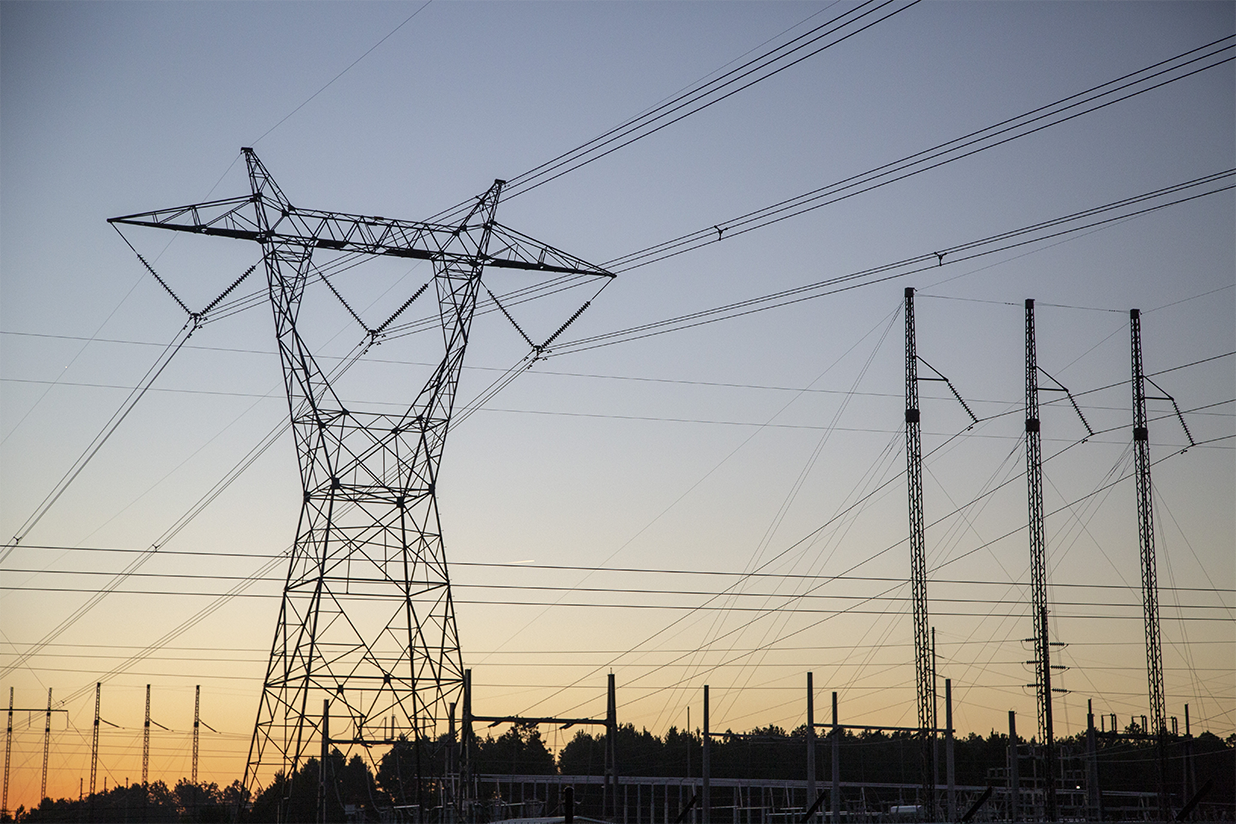 In addition to how weather has made ensuring reliability more difficult, I am sure you’ve heard of the broader, nationwide shift in how electricity is produced, regulated, and consumed. Much of the energy system the country relies on today was built decades ago. The existing transmission network was never designed to move large volumes of renewable power from rural generation sites to urban demand centers. Yet, federal production tax credits have provided significant financial incentives for renewable energy development, particularly wind and solar. Building new lines to relieve congestion or connect new generation is essential, but it requires significant capital investment, often hundreds of millions of dollars, which becomes part of the cost of service.
While these policies have accelerated the transition toward cleaner energy, they have also had unintended consequences. By lowering the market price of renewable generation, it’s made it more difficult for traditional plants (coal, natural gas, and nuclear) to remain financially viable. As a result, many of these plants have been retired years ahead of schedule, removing dependable 24/7 generation from the grid. The closure of these plants comes at a time when electricity demand is surging. Economic growth, population increases, and the electrification of transportation, heating, and manufacturing are all placing new demands on the grid.
Data centers, electric vehicles, and advanced manufacturing facilities require huge amounts of power. Renewable resources play a vital role, but they depend on weather conditions. Without enough baseload generation to cover periods of low wind or sunlight, the system becomes more vulnerable to shortages during extreme weather or high-demand periods.
An example of the extremes comes from the Energy Information Administration’s February 10th report, which showed that the cost of natural gas (the Henry Hub spot price) in January shot up 81% from the previous month. Along with reduced production, this increase was attributed to rising demand for heating in a particularly cold winter and the impact of Winter Storm Fern.
The North American Electric Reliability Corp’s (NERC) latest assessment reinforces the need for energy policies that support reliable, affordable generation for electric cooperatives. The outlook for U.S. grid reliability is “worsening” amid projections for more power plant retirements and surging demand from data centers and other large loads in the next decade.
The National Rural Electric Cooperative Association (NRECA) has advocated for such policy reforms. The association has backed legislation in Congress to ease the federal permitting process for energy projects and urged key agencies to remove regulatory threats to power generation and help electric cooperatives serve data centers and other large load growth.
The reality is that there is no single cause for the issues currently facing our industry. It’s the result of a combination of market forces, policy decisions, infrastructure needs, and changing patterns of electricity use. Many of these forces are beyond the control of local utilities, but all of them influence what we pay for power—and, in turn, what appears on your bill.
While we can’t control these external pressures, just like we can’t control the weather, your cooperative will continue working to manage costs, advocate for a balanced energy mix, and make strategic investments that protect both reliability and affordability for our members.